

Project Overview
Full-shift air sampling that showed lab technicians working with industrial solvents were well within exposure limits, plus a clear plan to keep it that way
14
air samples collected across a full 8-hour shift
0
exposure limits exceeded
3 of 3
target solvents non-detect in personal and area samples
<2%
of the Cal/OSHA limit for highest VOC detected
The Challenge
A medical device manufacturer was developing new product coatings in its R&D lab. Technicians mixed and applied solutions containing tetrahydrofuran (THF), N,N-dimethylacetamide (DMAC) and hexamethylene diacrylate (HDDA), then cured the coated parts in heated ovens.
The client needed to know whether those technicians were being overexposed, and whether the lab’s controls were doing their job. Two ingredients in the mix had no lab method or published exposure limit, so the sampling plan had to focus on what could actually be measured and compared.
Where This Fits
- Manufacturing and production facilities
- Labs and research facilities
- Healthcare and life sciences
- Industrial shopsand warehouses
What We Did
- Built a sampling plan around the three solvents that could be analyzed and compared to Cal/OSHA, NIOSH and ACGIH limits
- Collected personal breathing zone samples on the technician with the highest exposure potential, plus area samples near the work, over a full shift
- Ran back-to-back HDDA samples to build a true 8-hour average, since the method caps each sample at four hours
- Placed Summa canisters in two lab locations and outdoors for a broader VOC screen (EPA TO-15)
- Logged total VOCs in real time with a calibrated photoionization detector (PID)
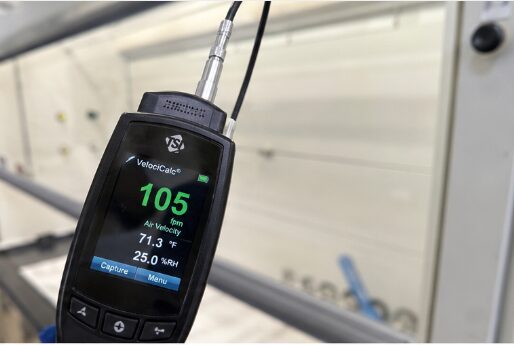
- Reviewed fume hood use, oven setup, PPE, chemical handling and waste practices during normal operations
- Delivered a CIH-signed report with results and practical recommendations
The Result
All three target solvents were non-detect, and every VOC found in the lab was a small fraction of its exposure limit. The client now has documented, defensible data showing its controls are working.
Our recommendations gave the team clear next steps: verify glove selection for DMAC, which can absorb through skin, document fume hood face velocity, confirm the drying ovens are rated for flammable solvents, put respirator use under a proper program, and know when to resample if the process changes.